


Computers and online games have been part of my life for almost as long as coffee — and that's saying something. From Linux distributions to programming languages to all kinds of hardware nonsense. I even made it to my third semester of Computer Science for Digital Media, driven by the dream of one day building online games myself. Unfortunately, the distance learning course collided rather reliably with my full-time job — and at some point, one of them had to give. No, wait, that's not quite right: I dropped out. The job was innocent.
These days I work in IT support at a mid-sized German company. I'm one of those people whose most powerful tool is the question: "Have you tried turning it off and on again?" Add to that activating Outlook add-ins, setting up mailbox access, and occasionally explaining why the Wi-Fi isn't working even though the cable is plugged in. Honestly? Not a bad job. You can make people surprisingly happy with surprisingly simple things.
For a long time, I followed the AI topic with the enthusiasm of a tired accountant. All the hype? I scoffed at it. "It's just algorithms", I thought — with the conviction of someone who had never seriously worked with any of it. The last thing I wanted was to trade my brain for a language model. I still had mine. Mostly.
But then things took a different turn.
One evening, after a well-earned end of the workday, I devoted myself to my second passion: The Elder Scrolls Online, a massively multiplayer online roleplaying game. I love pitting my character against other players in PvP and occasionally stomping through the virtual landscape to complete quests.
To get really good, you need to optimize both your own skills and your character. The right armor and weapons can improve specific stats — damage, healing, magicka, stamina. You can slow enemies down, terrify them, lay traps, root them in place, or simply obliterate them with raw force. A solid skill rotation can literally be the difference between life and death — at least in-game.
I had watched dozens of YouTube videos and waded through Reddit threads — searching for the perfect Bomber: a character who charges into a group of enemies, unleashes massive area damage with a clean skill rotation, and disappears before anyone can react. Sounds simple. It wasn't. The advice was often contradictory, the builds outdated, and I was drowning in an overload of information that put as much pressure on my head as a hostile Zerg in the Imperial City.
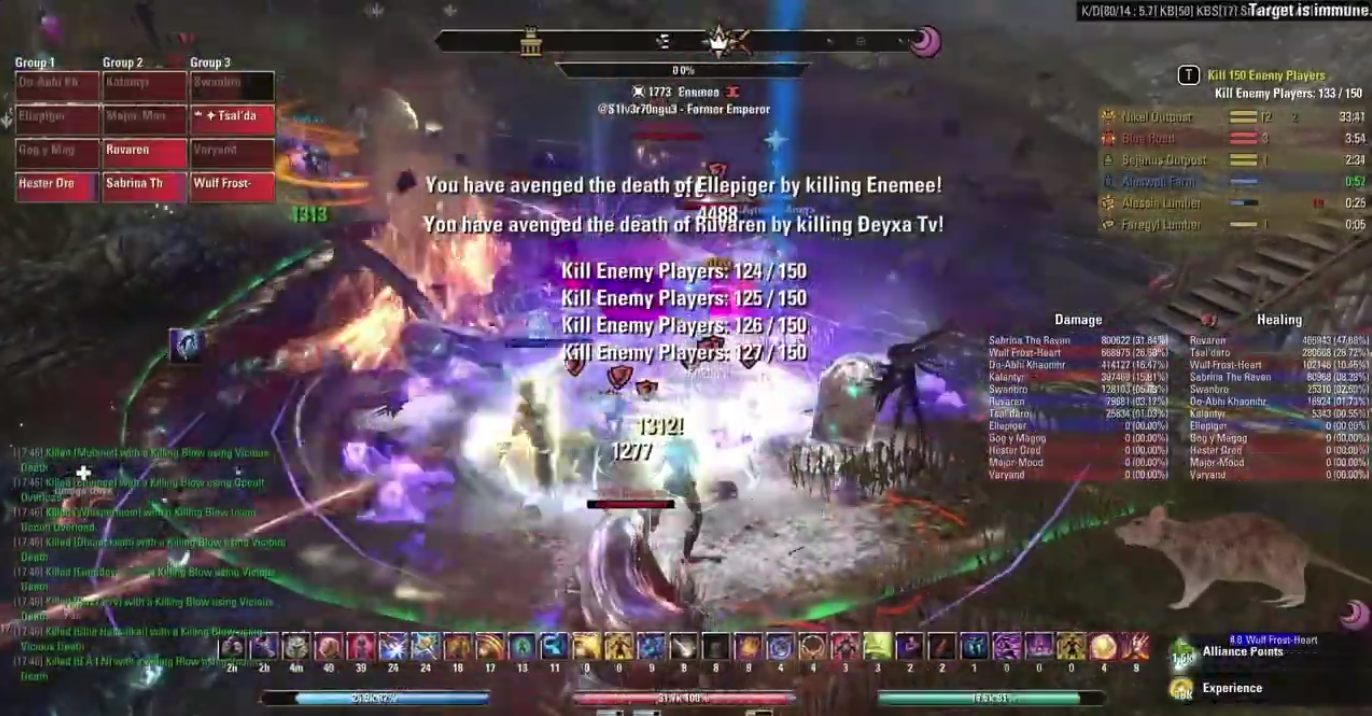
And right there, in that chaos of build guides and Reddit opinions, something clicked. Or more accurately: Bang.
So I created a ChatGPT account — just for this one purpose, I swear — and what followed was this strange, new feeling of talking to a machine that didn't respond like a search engine, but like someone who actually knew the subject. Or at least did a very convincing impression of it. The interactive back-and-forth, the aggregated knowledge, the underlying logic — it was all new to me. And my Bomber turned out damn good.
I got curious. And looking back, that was the moment the switch flipped. Because one question wouldn't leave me alone: If an AI knows a game better than I do — after a year of playing — what else can it do?
Meanwhile, I had also switched my computer to Linux — mainly because Microsoft's TPM2 requirement felt like "Sorry, time to retire that old machine of yours." I'd been wanting to switch to Linux for a while anyway: open source, no bloatware, and since Steam and Proton made Windows games playable on Linux, there wasn't really any reason to hold back. First Nobara, then CachyOS — which is optimized for gaming and managed to squeeze a surprising amount of performance out of my aging Nvidia GeForce 1050. With ChatGPT as my advisor.
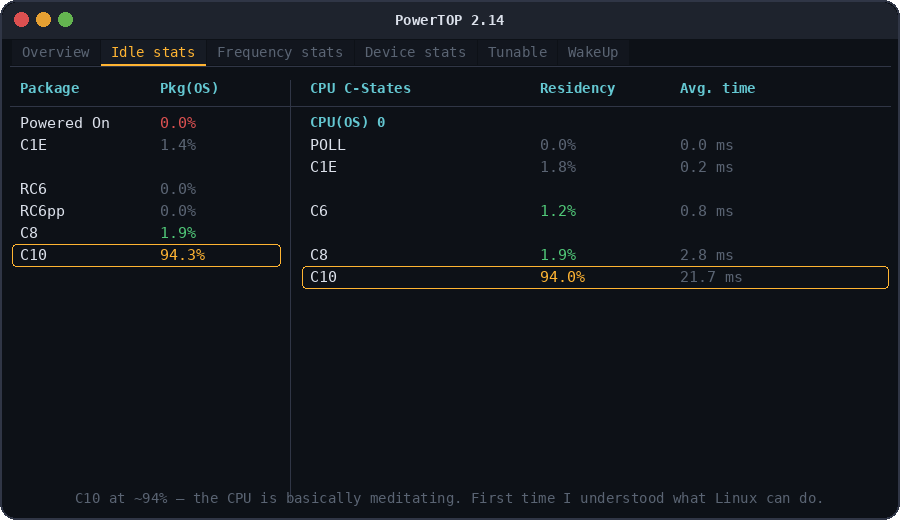
Linux topics, terminal commands, security settings, troubleshooting — ChatGPT was there for all of it. When it comes to comparing AI tools today, I'd probably see things a bit differently — but that's a story for later.
It had got me. Thoroughly.
If you want to know how "I'm optimizing my Linux system" eventually turned into "I'm running a Proxmox server with a private cloud, AI agents and trading bots" — I'll tell you in the next episode. It gets stranger. I promise.